
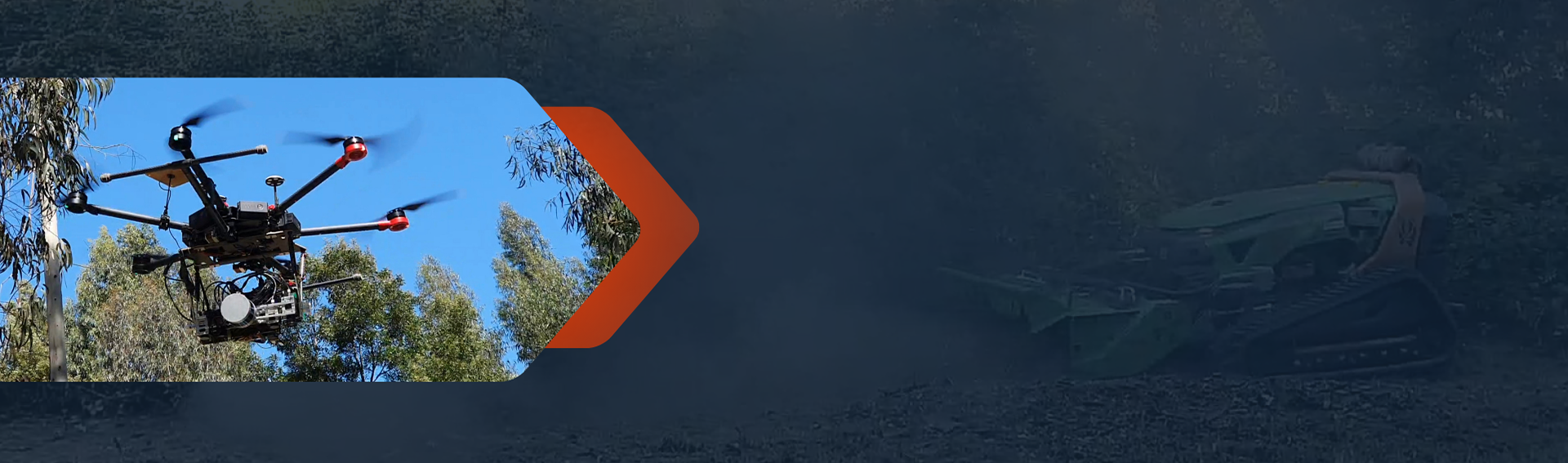
Robotics for Wildfires
Robotics and intelligent technologies for wildfire prevention, monitoring, and response
Key Facts

When will registrations be open?
Beginning of March
To be announced soon
How much is the course registration


Is there a maximum number of participants?
Yes, limited to 24 participants. Registration is confirmed after payment.
Morning lectures and afternoon mentored group projects. Final group presentation at the end.
How is the course structured?


Any prior knowledge required?
Depends on the topic. Basic knowledge in areas like Python, ROS, GIS, CAD, or Machine Learning may be required.
Yes. Participants are invited to bring a traditional food or drink for the International Dinner.
Are accommodation and meals included?


What should participants bring?
Laptop, comfortable clothes and swimwear, business casual for the sponsors’ dinner, sunscreen, and a hat/cap.
Yes, a certificate of participation will be issued.
Will we receive a certificate?

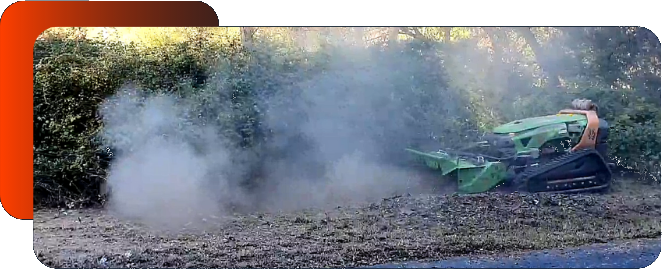
- Mobile robots for wildfire operations (locomotion, dynamics, terrain challenges)
- Localization and navigation in unstructured environments (visual and LiDAR SLAM)
- Perception under adverse conditions (smoke, dust, low visibility)
- Robust autonomy in extreme environments
- Wearable technologies for field operatives (health monitoring, localization, AR/VR, HMIs)
Topics Covered
- Decision support platforms and fire-related modelling
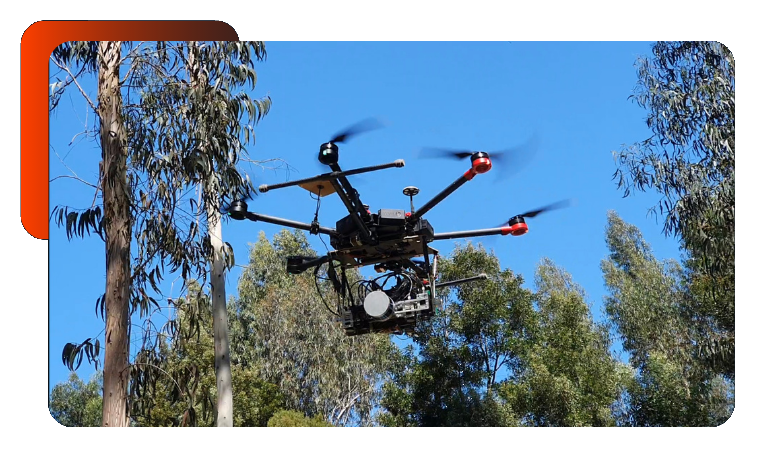
- Remote sensing using UAVs and satellites
- Forest digital twins for monitoring and risk management
- Communications in degraded or limited-connectivity scenarios
- Search & Rescue robots
How the Course Works
Participants choose a topic area and join a small group. Each group is guided by a dedicated mentor, combining fundamentals with practical constraints commonly faced in wildfire operations
Choose a topic
Select a wildfire-related robotics topic, from mobile robots and SLAM to wearables and digital twins.
Join a small group
Work in a focused team of up to three students for hands-on collaboration.
Work with a mentor
Receive guidance, feedback, and practical insights from a dedicated mentor.
Learn the fundamentals
Gain core knowledge in robotics, sensing, localization, and decision-making.
Understand real-world constraints
Address real challenges such as smoke, heat, limited visibility, and harsh terrain.
Organizers & Supporting Projects
This summer course is jointly organized by the Field Tech Lab of ADAI and Universidad Miguel Hernández.
The course is supported by ongoing research projects, including FireSys, Rugged, ForestSphere, and PRE-FACED.